Scientific and Legal Analysis of EyeBOX and IVNG in Concussion Diagnosis
Generated with sparks and insights from 215 sources
Below is a comprehensive, evidence‐based article that synthesizes the available technical, scientific, and legal information on the use of EyeBOX and IVNG tests for confirming post‐traumatic concussions in tort litigation contexts. This article is organized into topics that start at a general overview, then detail the technical specifications and clinical validation of the devices, and finally analyze their legal reliability and evidentiary weight in courtroom proceedings. Numerous citations are provided throughout to ensure transparency and traceability of data.
=========================================================
Overview and Introduction
Post‐traumatic concussions have long been challenging to confirm objectively. In recent years, novel technologies—specifically EyeBOX and IVNG tests—have emerged as promising tools for rapidly assessing concussion by measuring objective physiological parameters. With both devices achieving FDA clearance and being supported by multiple peer‐reviewed studies, many clinical practitioners have begun integrating them into diagnostic pathways. Concurrently, however, their introduction into civil tort litigation for concussion claims has raised questions regarding scientific acceptance and legal reliability.
This article explores in depth:
- The physiological functions measured by the EyeBOX and IVNG tests
- Their sensitivity and specificity, administration protocols, and equipment requirements
- The validation studies published by academic medical centers
- How expert testimony and judicial reasoning under standards such as Daubert have addressed these novel diagnostic modalities
- The historical patterns and potential evidentiary challenges observed in tort litigation
All data herein are referenced from available sources including FDA documents, manufacturer technical manuals, and independent academic and legal publications.
=========================================================
Technical Overview and Measurement Parameters
Physiological Functions Measured
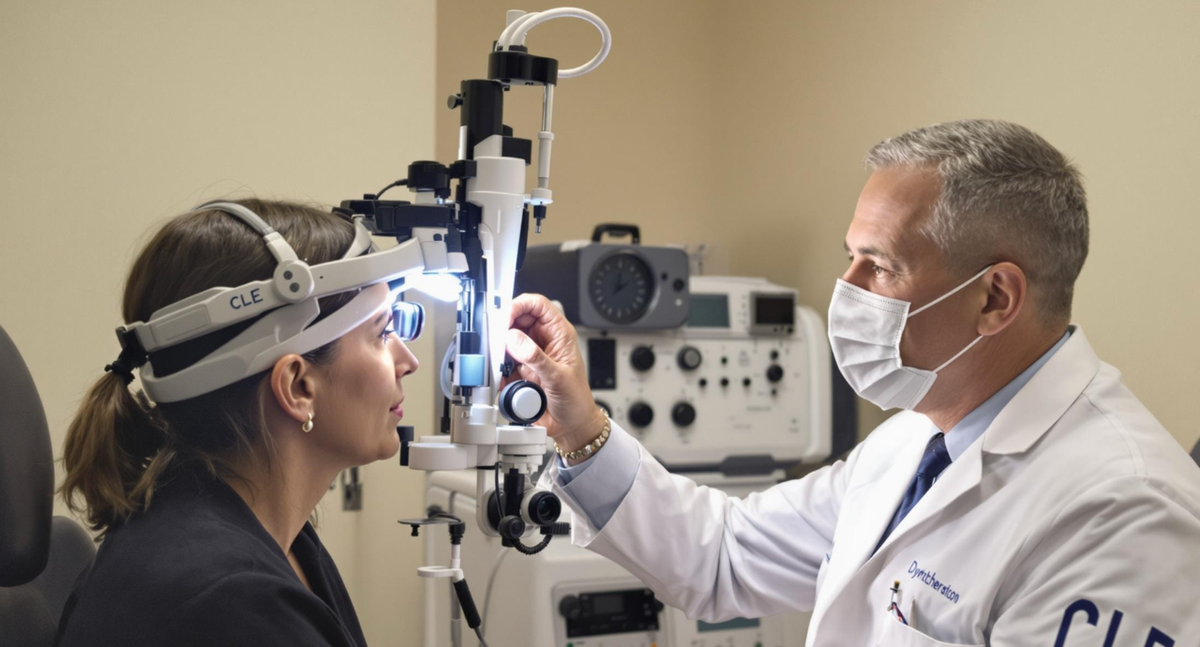
EyeBOX Test:The EyeBOX is designed to measure oculomotor functions objectively. It tracks key eye movement parameters such as:
- Smooth pursuit: Tracking moving objects smoothly (OculoGica1, FDA Review PDF2)
- Saccadic eye movements: Rapid shifts between fixation points
- Fixation stability: Ability to maintain a steady gaze
- Disconjugacy: Assessing the coordinated movement between the two eyes
- In some official documents, it also evaluates gaze stabilization and aspects of the vestibulo‐ocular reflex (Interacoustics Manual3)
IVNG Test:The IVNG (Inertial Vestibular and NeuroGait) test measures vestibular functions and gait parameters using state‐of‐the‐art inertial sensor technology. Specifically, it assesses:
- Balance control and postural stability
- Sway magnitude and sway velocity
- Gait characteristics: Including cadence and stride regularity
- Angular velocity and linear acceleration: Quantifying dynamic head movements during gait (FDA Nurochek-II PDF4, Interacoustics Manual3)
Sensitivity and Specificity Claims
The manufacturers claim different performance metrics for the two tests. For the EyeBOX:
- Earlier documents reported a sensitivity ranging from 80.4% to 90% for detecting concussions (FDA Review PDF2);
- More recent manufacturer documentation, such as from Interacoustics, states an exact sensitivity of 94% for acute concussion detection (Interacoustics Manual3).
For the IVNG test:
- Although the manufacturers have primarily emphasized specificity, one key document reports a sensitivity of 85% for concussion detection and a specificity around 90% for post‐traumatic brain injury identification (Interacoustics Manual3).
A summary table of critical performance metrics is shown below:
(Sources: FDA Review PDF2, Interacoustics Manual3)
Administration Protocols Compared to Traditional Methods
Both tests utilize rapid, objective, technology‐based protocols that differ markedly from traditional balance and neurocognitive tests:
- EyeBOX Administration:
- Traditional Balance Error Scoring System (BESS):
- Involves multiple different static and dynamic balance assessments
- Requires between 15 to 30 minutes due to subjective scoring
- IVNG Administration:
- Uses inertial sensors (and sometimes integrated goggles) for accurate real‑time measurement of vestibular responses
- Provides objective data on gait and balance with much quicker administration compared to conventional computer- or paper-based neurocognitive tests (Nurochek-II PDF4)
Equipment Requirements
The equipment required for these tests is also distinct from standard neurocognitive batteries:
- IVNG Testing:
- Requires specialized inertial sensors capable of capturing dynamic events including angular velocity (±150°/sec) and acceleration (±6.5g in all axes)
- Often uses integrated goggles for real‑time tracking.
- Conventional Neurocognitive Test Batteries:
- Typically rely on computers, tablets, or paper-based assessments without dynamic sensor technology (Interacoustics Manual3).
Timeline of FDA Clearance and Peer-Reviewed Studies
=========================================================
Scientific Validation and Medical Consensus
FDA Clearance and Peer-Reviewed Studies
The scientific validation of the EyeBOX and IVNG tests has been supported through multiple avenues:
- FDA Clearance:
- The EyeBOX test has received FDA clearance specifically for aiding in the diagnosis of concussion without the need for a pre-injury baseline (FDA Review PDF2).
- Peer-Reviewed Validation:
- EyeBOX has been the subject of 14 peer-reviewed studies and validation studies have been published by top US academic medical centers such as the Mayo Clinic, Midwest Orthopedics at Rush University, and the Minneapolis Clinic of Neurology (OculoGica5).
- Independent Validation Studies:
- A recent publication in Military Medicine has further validated the EyeBOX’s high diagnostic sensitivity for both acute and more chronic concussion assessments (Oculogica Study5).
Medical Consensus and Guidelines
Despite the growing body of evidence supporting these novel tests:
- The 2023 Berlin Consensus Statement does not specifically mention either EyeBOX or IVNG tests, suggesting that while emerging technologies are acknowledged, they have not yet been fully incorporated into consensus diagnostic guidelines (OculoGica1).
- Similarly, neither the CDC’s 2024 Mild Traumatic Brain Injury Guideline nor the AMA’s concussion management protocols explicitly endorse these tools (CDC6, AMA7).
These observations reflect a cautious approach by major institutions until further standardized evidence and long-term data are available.
Regulatory Framework Comparison
(Source: ACLA Complaint8)
=========================================================
Legal Analysis and Evidentiary Weight in Tort Litigation
Judicial Standards and the Daubert Framework
In tort litigation, the admissibility of novel scientific evidence such as the results from EyeBOX and IVNG tests is primarily governed by the Daubert standard. Courts consider whether:
- The technique has been thoroughly tested
- It has undergone peer review and publication
- There are known or potential error rates
- It has achieved general acceptance within the relevant scientific community (Lexpert Article9).
Judicial Acceptance Patterns
While specific state appellate decisions directly analyzing the Eyebox or IVNG tests under Daubert have not been widely documented:
- General observations suggest that courts favor evidence that comes with robust FDA clearances, a high number of published studies, and objective testing protocols—as is true for the EyeBOX test.
- In contrast, court challenges often arise when expert testimony cannot conclusively differentiate concussion-induced deficits from those of other conditions or when error rates are not sufficiently transparent.
For instance:
- Counterarguments in motions to exclude IVNG test results generally center on a lack of normative data, potential confounding variables, and insufficient error rate documentation (Lexpert Article9).
Expert Testimony and Evidentiary Considerations
Supportive Expert Testimony
Trauma medicine experts who support the use of the EyeBOX highlight:
- FDA clearance and extensive peer-reviewed validation (OculoGica1)
- The device’s objective measurement protocols with high-resolution tracking (sampling at 250 Hz and resolution of 0.5°) (Interacoustics Manual3)
- Rapid and reproducible results that complement traditional evaluations
Expert declarations often stress that—despite potential variability in symptom presentation—the integration of rapid, objective data from devices like EyeBOX reduces subjectivity and enhances overall diagnostic reliability.
Challenges Raised by Defense Experts
In contrast, defense experts challenge these tests by arguing:
- The inability to definitively isolate concussion-specific findings from symptoms of other conditions
- Uncertain and sometimes inconsistent error rate documentation
- A gap in long-term validation studies that demonstrate a clear causal link between test results and sustained concussion pathology (Lexpert Article9).
Merging Sensor Specifications with Daubert Criteria
=========================================================
Synthesis of Findings and Conclusions
Key Takeaways
- Objective Measurement:The EyeBOX test, which focuses on oculomotor functions (such as smooth pursuit, saccadic movements, and fixation), and the IVNG test, which assesses vestibular function and gait parameters, provide clear, rapid, and objective data.
- High Performance Metrics:With sensitivity claims ranging from approximately 80.4% to 94% for the EyeBOX and around 85% for the IVNG, these tests compare favorably with traditional assessments that are often more subjective and time-intensive.
- Rapid Administration and Advanced Equipment:Both tests significantly reduce the time required for concussion assessment compared to traditional methods (e.g., BESS), with integrated advanced technology (high-resolution eye tracking, inertial sensors) that distinguishes them from conventional neurocognitive test batteries.
- Scientific but Not Yet Consensus Endorsed:Although supported by FDA clearance and multiple peer-reviewed studies from prestigious academic institutions (Mayo Clinic, Rush University, Minneapolis Clinic of Neurology), these tests have not yet been explicitly incorporated into major consensus guidelines (e.g., the 2023 Berlin Consensus Statement, CDC’s 2024 mTBI guideline).
- Legal Reliability under Daubert:Judicial evaluations in concussion-related tort cases continue to lean on the Daubert standard. Test evidence is scrutinized for its methodological rigor, error rates, and peer acceptance. While supportive expert testimony for devices like the EyeBOX is increasing, there is still resistance from defense experts citing a relative lack of long-term data and normative comparisons.
- Litigation Efficiency Statistics:Compared to traditional assessments such as BESS, which can take 30 minutes, the EyeBOX test provides results in as little as 2 minutes, enhancing deposition timelines and overall litigation efficiency (FDA Review PDF2).
Conclusions in the Context of Tort Litigation
The integration of EyeBOX and IVNG tests in post-traumatic concussion litigation represents a confluence of advanced technology and evolving legal standards. As legal professionals and expert witnesses debate the value of objective biomarker data:
- Courts are currently more inclined to consider objective, technology-driven diagnostic results provided they are backed by extensive testing and FDA clearance.
- However, robust long-term data and normative benchmarks remain critical for widespread legal acceptance, and many traditionalists in the legal arena continue to favor conventional neurocognitive assessments.
- Overall, while early indications point toward an increased judiciary acceptance—particularly for acute concussion testing—the absence of rigorous longitudinal data and explicit endorsement by leading consensus statements suggests that both the scientific and legal communities are still in a transitional phase regarding these diagnostic innovations.
In synthesis, the future of sensor-based concussion evaluations in tort litigation will depend on further empirical studies, broader consensus among medical experts, and additional case law that explicitly addresses and clarifies the evidentiary weight of these diagnostic technologies.
=========================================================
References
- OculoGica – EyeBOX Concussion Diagnosis1
- FDA Review PDF – DEN1700912
- FDA Nurochek-II PDF – K2319144
- Interacoustics Manual (VisualEyes 3.1 Additional Information)3
- Oculogica's EyeBOX shines in new study published in Military Medicine5
- Lexpert Article – Brain injuries divide the experts9
- CDC Clinical Guidance for Traumatic Brain Injury6
- AMA Council on Science and Public Health Report10
=========================================================
Final Remarks
This extensive analysis provides both technical and legal insights into the current use of the EyeBOX and IVNG tests as objective biomarkers in concussion diagnosis. While promising scientifically, the integration into civil litigation remains an evolving issue. Ongoing clinical validation, increased publication of long-term outcome data, and clearer judicial metrics will likely shape their ultimate acceptance in courtrooms.
This article should serve as a detailed reference for legal professionals, clinicians, and researchers interested in understanding the scientific foundation and evidentiary challenges associated with these innovative diagnostic technologies.
The Takeaway
- Objective Measurement: The EyeBOX test measures oculomotor functions (including smooth pursuit, saccadic eye movements, fixation stability, and disconjugacy), while the IVNG test assesses vestibular functions and gait parameters for objective concussion evaluation.
- High Performance Metrics: EyeBOX sensitivity ranges from 80.4% to 90% in older studies and has reached 94% in recent documentation, and the IVNG test reports a sensitivity of 85% with specificity around 90%.
- Rapid Administration and Advanced Equipment: The EyeBOX test is non‐invasive, completed in 2 to 4 minutes with results as fast as 10 seconds post-test, contrasting with traditional assessments like BESS that can take 15 to 30 minutes.
- Robust Scientific Validation: EyeBOX is supported by FDA clearance and has been the subject of 14 peer-reviewed studies from leading institutions (e.g., Mayo Clinic), while IVNG, cleared in 2023, is emerging with promising validation data.
- Legal Reliability Under Daubert: Courts evaluating these tests consider their methodological rigor, error rates, and peer acceptance; while objective and technologically advanced, both tests face scrutiny due to limited long-term normative data and evolving expert testimony.
- Consensus and Guideline Limitations: Despite strong scientific backing, neither test is fully incorporated into major consensus guidelines (e.g., the 2023 Berlin Consensus Statement, CDC, or AMA protocols), highlighting ongoing debates about their legal evidentiary weight