AI for Discovery Review - Part 2
Many attorneys still approach AI tools like ChatGPT as if it were a glorified search engine, judging its effectiveness solely on the first response. But the real power of AI in legal practice isn’t in simply retrieving information—it’s in iterating, refining, and dynamically building case strategy as new facts emerge.
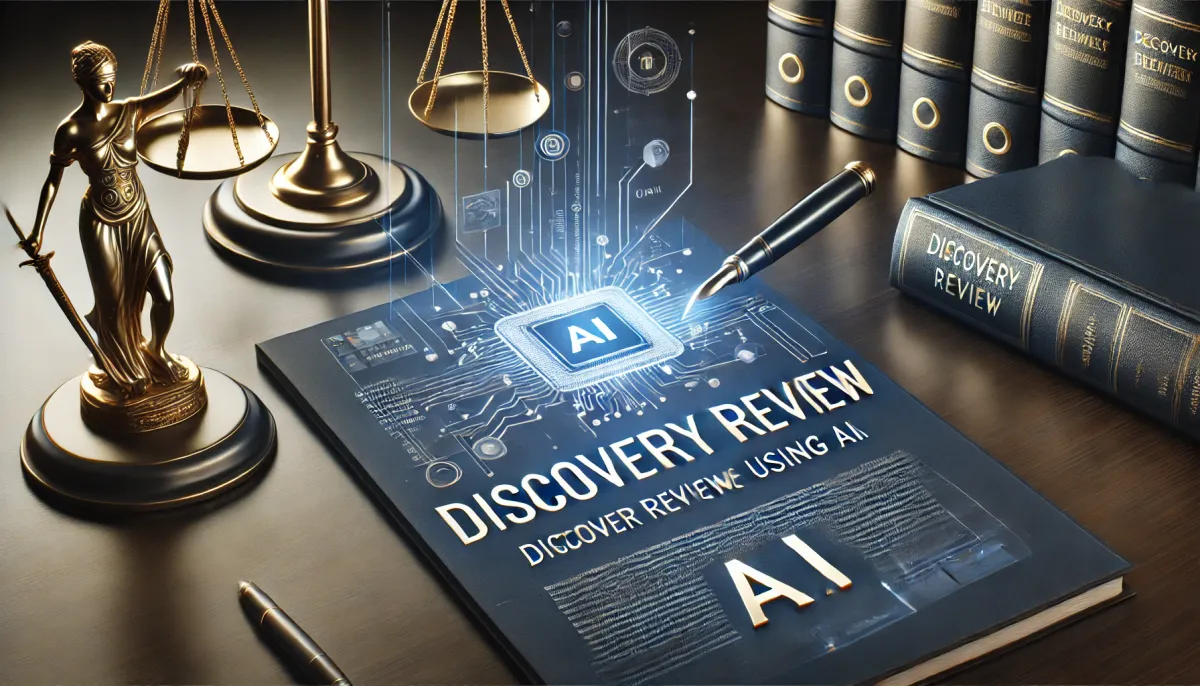
Recently, I used the Discovery Review Custom GPT to develop and refine litigation strategy in a complex 18-wheeler crash case. What started as a simple discovery review quickly turned into an evolving litigation roadmap, demonstrating how AI can be a true assistant in legal practice.
1️. Initial Task: Reviewing Discovery Responses
I began by analyzing the truck driver’s discovery responses, looking for contradictions, vague answers, and missing information. The initial responses from the driver, the mom-and-pop trucking company, and the national carrier revealed major gaps—particularly regarding who had control over the driver, whether proper hiring and training procedures were followed, and what documentation existed regarding the truck’s maintenance and safety compliance. A thorough and comprehensive analysis report was generated by ChatGPT, which indexed the facts disclosed, created a cast of characters identified, and told us about documents identified in the responses but not produced.
All of this was according to the instructions that I gave the custom “Discovery Review” GPT that I created. Message me if you’re interested in how I trained that custom GPT.
2️. Identifying Deficiencies & Issuing a Letter to Defense Counsel
After spotting inconsistencies—especially regarding the employment relationship between the driver, the small trucking company, and the national carrier—ChatGPT’s response was an offer to draft a Deficiency Letter to opposing counsel, requesting supplemental responses and production of missing documents. This step was critical in preserving the option to file a Motion to Compel if necessary. If it comes to filing the motion, we’ll go right back to this conversation and have it generate the motion to compel and supporting memorandum incorporating the identified deficiencies and our attempts to resolve our disputes with the defendants.
3️. Refining Case Strategy: Who Needs to Be Deposed?
I then strategically built a Deposition Plan that would allow us to maximize evidentiary impact. The order of depositions was designed to:
✅ Depose the truck driver first, locking in testimony about training, maintenance, and hours-of-service compliance.
✅ Depose the owner of the mom-and-pop trucking company to determine whether they exercised any oversight or simply allowed the driver to operate unchecked.
✅ Depose the corporate safety representative of the national carrier to determine how much control they exerted over the driver and whether they vetted the trucking company before contracting with them.
✅ Depose third-party witnesses, such as responding officers and accident reconstruction experts, to bolster liability claims.
To formalize this strategy, I drafted Deposition Notices for key witnesses directly in the ongoing conversation with ChatGPT.
4️. Fact-Checking Our Own Client’s Allegations
As I reviewed additional documents, it became clear that some aspects of our initial understanding of the crash did not match the defense’s records. The truck driver claimed brake failure, but maintenance records (once obtained) suggested the truck had been properly inspected with documented service. This was a pivotal moment—rather than spending valuable time, and credibility, pursuing a lost cause I adjusted our case theory proactively.
5️.Aligning the Complaint with Newly Developed Facts
Since discovery suggested a strong case for negligent hiring, supervision, and entrustment, rather than just a simple driver negligence claim, I drafted a Supplemental and Amending Petition to ensure the case narrative covered the actual facts that were uncovered in the discovery responses and asserted both the trucking company’s and the national carrier’s failure to ensure the driver was fit to operate.
6️. Litigation Readiness & Next Steps
At this stage, I had created a robust litigation strategy, including:
✔ Deficiency Letter to Defense Counsel (pressuring them for missing discovery).
✔ Deposition Notices (locking in sworn testimony from key figures).
✔ Supplemental and Amending Petition (strengthening the case narrative).
✔ Pending Discovery Requests to Third Parties (ensuring maintenance and employment records were preserved).
By taking an iterative approach, I leveraged AI not just as a research tool, but as a dynamic litigation assistant, helping us fine-tune legal arguments, draft pleadings, and develop a rock-solid litigation strategy.
For litigators who still see AI as a one-step solution, I encourage you to embrace the iterative, evolving nature of working with AI—you may be surprised at how much it can transform your legal practice.
I've published the Discovery Review Custom GPT, no cost, to the GPT Store in ChatGPT. Find it at: https://chatgpt.com/g/g-YFRAobD3U-discovery-review
#Litigation #LegalTech #AIinLaw #IterativeProcess #ChatGPT #LawPracticeInnovation